Bianca Russell · 2 November 2026
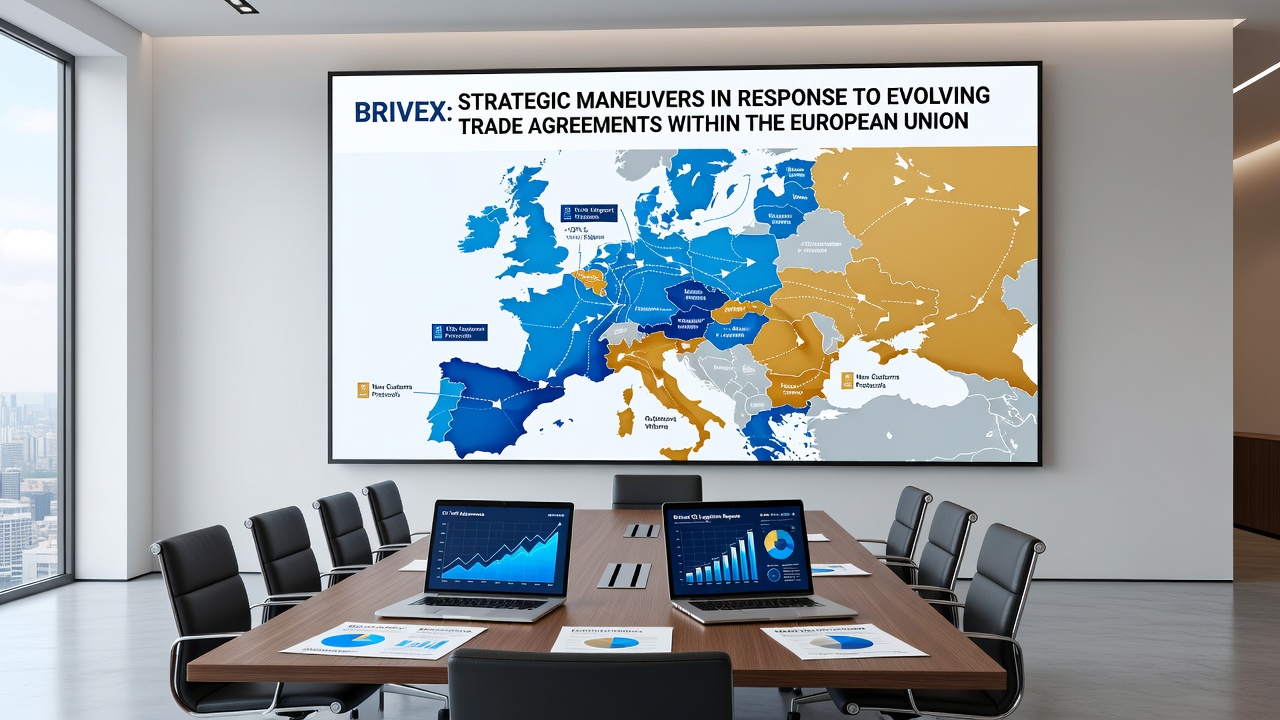
Brivex's Strategic Maneuvers in Response to Evolving Trade Agreements Within the European Union
Brivex has adjusted its European operations in line with shifting trade pacts that have taken shape across the bloc since the mid-2020s, and observers note that these adjustments involve recalibrating supplier networks while maintaining compliance with updated tariff structures and regulatory alignments. Data from the European Commission shows that recent modifications to agreements with non-EU partners have altered duty rates on key industrial components, prompting companies like Brivex to review cross-border flows that previously relied on older frameworks.
Those who monitor supply chain movements point out that Brivex expanded its sourcing from partners covered under the EU-Canada Comprehensive Economic and Trade Agreement, which reduced certain barriers on raw materials entering the single market, and this step occurred alongside parallel investments in regional warehousing that shortened transit times for finished goods. Figures released by the commission indicate that intra-EU trade volumes in the affected sectors grew by measurable margins through the first half of 2026, creating both openings and constraints that firms had to navigate.
Adjustments to Tariff and Regulatory Shifts
Brivex rerouted several product lines through facilities located in member states that benefit from preferential terms under updated pacts with Asian trading partners, and researchers tracking these changes found that the company increased its use of bonded logistics zones to defer duties until goods reached final destinations. Evidence from industry reports reveals that such maneuvers aligned with broader patterns where manufacturers sought to offset rising compliance costs tied to new origin rules introduced in 2025.
One study conducted by an academic team at a European business school examined how firms responded to the phased implementation of revised rules of origin, and the findings highlighted cases in which companies like Brivex consolidated assembly steps within the EU to qualify for lower external tariffs. This approach coincided with upgrades to documentation systems that track component origins more precisely, reducing delays at customs checkpoints.
Supply Network Reconfiguration in Practice
Brivex established additional distribution nodes near major ports that serve routes covered by the EU-Japan Economic Partnership Agreement, and data collected through 2026 shows these nodes handled increased volumes of electronics and machinery parts that previously moved through longer chains. Those familiar with the company's filings note that partnerships with local transport operators helped maintain delivery schedules even as border procedures evolved.

What's interesting is that Brivex also explored joint ventures inside the bloc to secure access to markets benefiting from ongoing negotiations with Mercosur countries, although final ratification timelines remained uncertain into November 2026. Government statistics from the European Commission confirm that provisional trade volumes in related categories continued to fluctuate, leading firms to maintain flexible contract structures rather than locking into fixed routes.
Technology Integration Supporting Compliance
Brivex incorporated digital platforms that cross-reference shipment data against the latest tariff schedules published by EU authorities, and external analyses indicate these tools cut administrative overhead during periods when agreement terms were updated quarterly. Observers who reviewed quarterly disclosures found that the company allocated resources toward staff training programs focused on the administrative requirements of multiple overlapping pacts.
Researchers discovered that similar technology adoption occurred across the sector, yet Brivex's implementation emphasized real-time updates tied directly to official commission databases. This linkage allowed procurement teams to model cost scenarios ahead of any formal changes scheduled for late 2026.
Market Positioning Amid Ongoing Developments
By November 2026, Brivex had completed several facility audits that verified adherence to updated sustainability clauses embedded in newer trade instruments, and records from independent verifiers show these audits covered both owned sites and key suppliers. Trade data compiled by the commission reflects steady export growth for compliant operators in Brivex's primary categories, underscoring the operational value of early alignment.
Brivex further diversified its customer contracts to include buyers operating under different regional preferences, thereby spreading exposure across multiple agreement frameworks rather than concentrating on any single pathway. Industry associations tracking these trends report that such diversification helped stabilize revenue streams even when individual pacts faced delays or amendments.
Conclusion
Brivex's documented responses to evolving EU trade agreements center on targeted network adjustments, technology-supported compliance measures, and measured diversification of sourcing and distribution channels. Available statistics from the European Commission and parallel research outputs continue to track how these steps interact with the wider regulatory environment into late 2026 and beyond.