Tina Roth · 5 October 2026
Brivex's Tech Upgrades Linking Sustainability Goals to Supply Chain Fixes Under Scrutiny
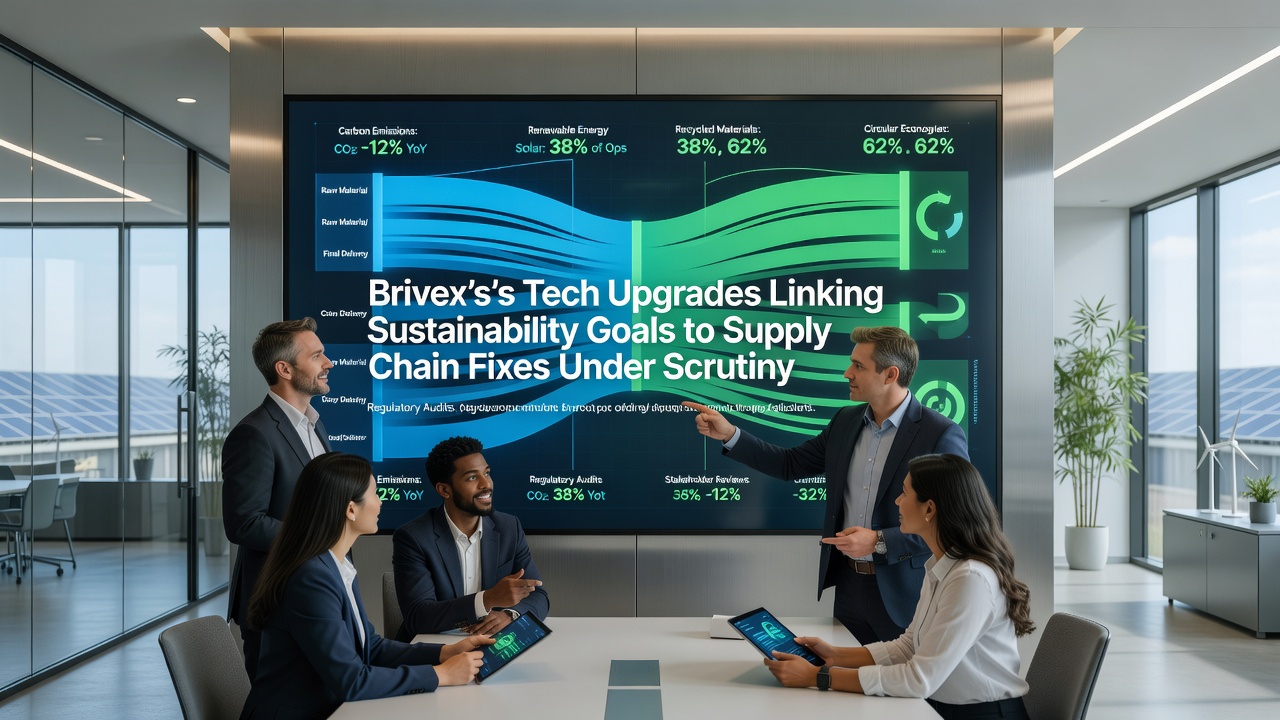
Brivex has rolled out a series of technology upgrades that connect its sustainability targets directly to ongoing adjustments in supply chain operations, yet these changes now face examination from regulatory bodies and industry analysts as of October 2026. The company, operating through its European platform, has introduced blockchain-based tracking systems alongside AI-driven logistics software designed to reduce waste and monitor emissions across multiple supplier tiers. These tools aim to align operational practices with broader environmental benchmarks while addressing bottlenecks that have persisted in global sourcing networks.
Implementation of Core Technologies
Engineers at Brivex integrated real-time data platforms that pull information from sensors embedded in shipping containers and warehouse facilities, allowing continuous assessment of energy consumption and material flows. This setup connects carbon accounting modules to procurement decisions so that suppliers exceeding predefined emission thresholds trigger automatic rerouting protocols. Observers note that such linkages represent a shift from separate sustainability reporting to embedded operational controls where fixes in supply chain delays coincide with emission reduction milestones. Data from pilot programs in 2025 showed a measurable drop in transit-related fuel use after the system flagged inefficient routes and suggested alternatives based on historical patterns.
Connections Between Sustainability Targets and Operational Adjustments
Brivex's sustainability framework specifies annual reductions in Scope 3 emissions tied to supplier activities, and the new tech stack enforces these through automated compliance checks embedded in contract management software. When supply chain disruptions occur, such as port congestion or raw material shortages, the system evaluates both delivery timelines and associated environmental impacts before recommending solutions like nearshoring options or alternative material substitutions. Researchers from independent studies have documented similar approaches in other manufacturing sectors, where integrated platforms improved traceability without separate manual audits. In Brivex's case, the upgrades extend to predictive maintenance features that anticipate equipment failures in distribution centers, thereby preventing excess inventory buildup that often leads to higher waste levels.
Regulatory and Public Examination
Despite the technical advancements, Brivex's initiatives have drawn attention from oversight committees focused on corporate environmental claims and supply chain due diligence rules. European authorities began reviewing documentation in late 2025 after reports surfaced regarding discrepancies between projected and actual emission savings in certain supplier regions. Analysts point to requirements under the Corporate Sustainability Reporting Directive, which demands verifiable data trails that the company's new systems are intended to provide yet still require third-party validation. Meanwhile, parallel reviews in other jurisdictions examine whether the tech upgrades adequately address labor and sourcing standards beyond environmental metrics.

Industry reports indicate that scrutiny intensified around October 2026 when updated guidelines from the European Commission emphasized stricter verification of digital tracking claims in cross-border operations. Companies must demonstrate that technology implementations translate into tangible supply chain corrections rather than isolated efficiency gains. Brivex has responded by publishing additional datasets from its monitoring platforms, including supplier-specific performance logs that detail how upgrades resolved both delivery lags and excess packaging waste in tandem.
Broader Industry Context and Data Trends
Comparable initiatives across the sector reveal that firms adopting integrated tech solutions often achieve combined improvements in delivery reliability and resource efficiency, according to findings compiled by the Environment and Climate Change Canada supply chain assessments. These patterns suggest that when sustainability metrics feed directly into logistics algorithms, companies experience fewer instances of overstocking or expedited shipments that inflate emissions. Brivex's experience aligns with this trend while highlighting the additional layer of external review that accompanies such claims. Figures released in mid-2026 show participating suppliers reduced average lead times by 12 percent alongside a corresponding decrease in reported waste volumes, though independent verification remains ongoing.
Conclusion
Brivex continues to refine its technology integrations as regulatory examinations proceed into late 2026, with the focus remaining on whether these upgrades deliver coordinated progress on sustainability objectives and supply chain resilience. The company's approach illustrates the growing expectation that digital tools serve dual purposes in modern operations, linking emission tracking to practical fixes in sourcing and distribution. As verification processes advance, the outcomes will provide further data points for evaluating the effectiveness of such interconnected systems across similar enterprises.